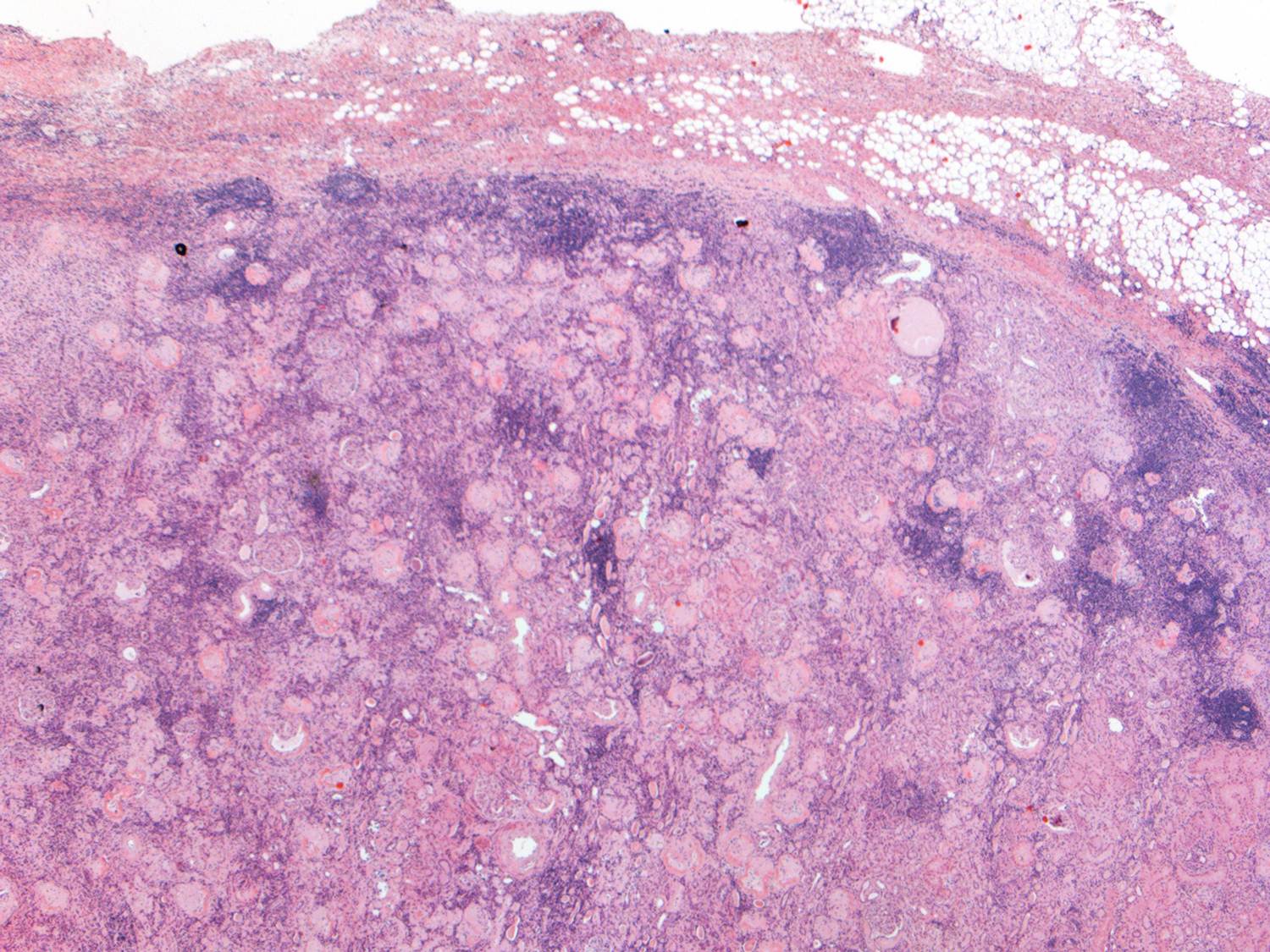
Aristolochic acids (AA) are found in products derived from the aristolochia genus of plants which are used extensively in herbal medicines, particularly in Asia. Nephrotoxicity resulting from AA exposure was originally described in a case series of women taking diet supplements in Belgium but has subsequently been identified in the US, Europe and Asia. Consumption of products containing AA remains endemic in some areas with an estimated exposure in up to 40% of the Taiwanese population. The disease known as Balkan endemic nephropathy – described the population living around tributaries of the Danube river- is now thought to result from contamination of wheat flour with seeds of plants containing AA.
Patients with AA nephropathy typically present with renal insufficiency and anemia. Urinalysis reveals a few red cells and mild proteinuria. The rate of decline of renal function varies but may depend on the cumulative dose of AA. Renal histology is characterized by extensive interstitial fibrosis with tubular atrophy and low numbers of inflammatory cells. There is a very high incidence of urothelial atypia and carcinoma. Exposure to AA can be confirmed by the presence of AA-DNA in biopsy tissue.
Therapy consists of routine management of CKD alongside regular screening for urothelial malignancy. A trial of steroids can be considered in selected patients. The risk of urothelial malignancy is so high that some consider patients for bilateral nephrouretecomy once RRT as been established.
Despite being banned in many countries, products containing AA remain available. The true incidence of CKD and urothelial malignancy resulting from AA exposure remains unknown. It is possible that a lack of awareness means that a significant proportion of AA resulted morbidity remains undiagnosed. For a comprehensive review of the subject see here.
Image from Wikipedia.
Posted by Jonathan Dick